Kuno National Park
India's Cheetah Landscape — And a Very Different Kind of Wildlife Experience
Book Kuno SafariKuno National Park is in Madhya Pradesh's Sheopur district, surrounded by the Vindhyan landscape of central India.
It is best known today as the home of Project Cheetah, India's effort to bring the cheetah back into the country's wild landscape after the species became extinct in India in 1952.
But Kuno is much more than just a cheetah destination.
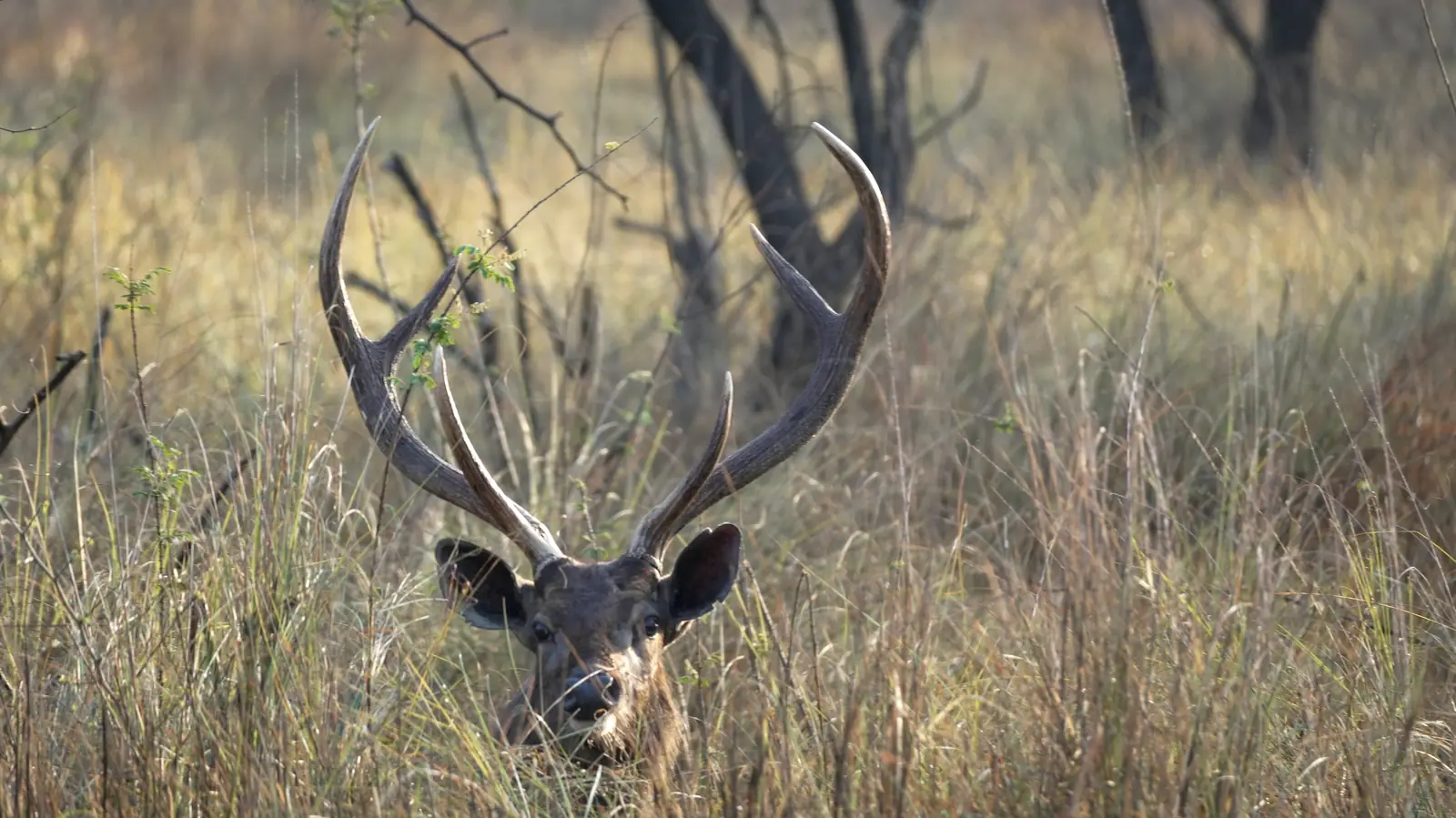
Its open grasslands, dry deciduous forests, rocky areas, valleys and riverine habitats support leopards, occasional tigers, sloth bears, wolves, hyenas, caracals, deer, antelope and a wide variety of birds.
And unlike many famous tiger reserves, Kuno is a more open and spacious landscape. You are not always driving through dense forest. The landscape itself is a big part of the safari experience.
Kuno at a Glance
Location
Sheopur district, Madhya Pradesh
Core Area
About 749 sq km
River
Kuno River, part of the Chambal river system
Known for
Project Cheetah and its open wildlife landscape
Main Safari Gates
Tiktoli, Ahera and Peepalbawdi
Main Visitor Base
Sesaipura
Kuno was originally notified as a wildlife sanctuary in 1981 and was later declared a national park in 2018. Today, it is one of India's most important landscapes for large carnivore conservation.
The Landscape of Kuno
Kuno does not look like the classic tiger reserve that many visitors imagine.
The landscape changes between:
Open grasslands
Dry deciduous forests
Scrub and thorny vegetation
Rocky and hilly areas
Wide valleys
Meadows
River and waterbody areas
This combination creates a very different kind of safari.
In many places, the forest opens up into large views where you can scan the grasslands and valleys rather than simply following a forest track.
That openness is also one of the reasons Kuno became an important site for the reintroduction of cheetahs.
Why the Landscape Matters for Cheetahs
Cheetahs are built for speed and need space where they can see and chase prey.
Kuno's combination of open grasslands, meadows, scrub and dry forest creates suitable habitat for a free-ranging cheetah population, while the wider landscape provides prey and room for animals to move.
The result is a wildlife experience that feels different from the dense-forest safari experience found in many of India's better-known tiger reserves.
A Short History of Kuno
Kuno's modern conservation story goes back several decades.
1981
Wildlife Sanctuary
Kuno was notified as a wildlife sanctuary, initially with a major focus on protecting its habitat and wildlife, including the region's chinkara population.
Late 1990s–2000s
The Lion Relocation Plan
Kuno became associated with plans to establish a second population of Asiatic lions in India. Although the lion relocation did not happen, the work carried out in Kuno helped develop the landscape and conservation infrastructure that exists today.
2018
National Park
Kuno was declared a national park, strengthening its role as a major wildlife conservation landscape.
17 September 2022
Project Cheetah
Eight cheetahs from Namibia were released into Kuno, marking the beginning of India's modern cheetah reintroduction programme. Since then, Kuno has become the center of India's cheetah story.
Kuno Today
Kuno is now one of the most closely watched wildlife landscapes in India. The park is home to reintroduced cheetahs as well as a naturally occurring population of other carnivores and herbivores.
You may encounter:
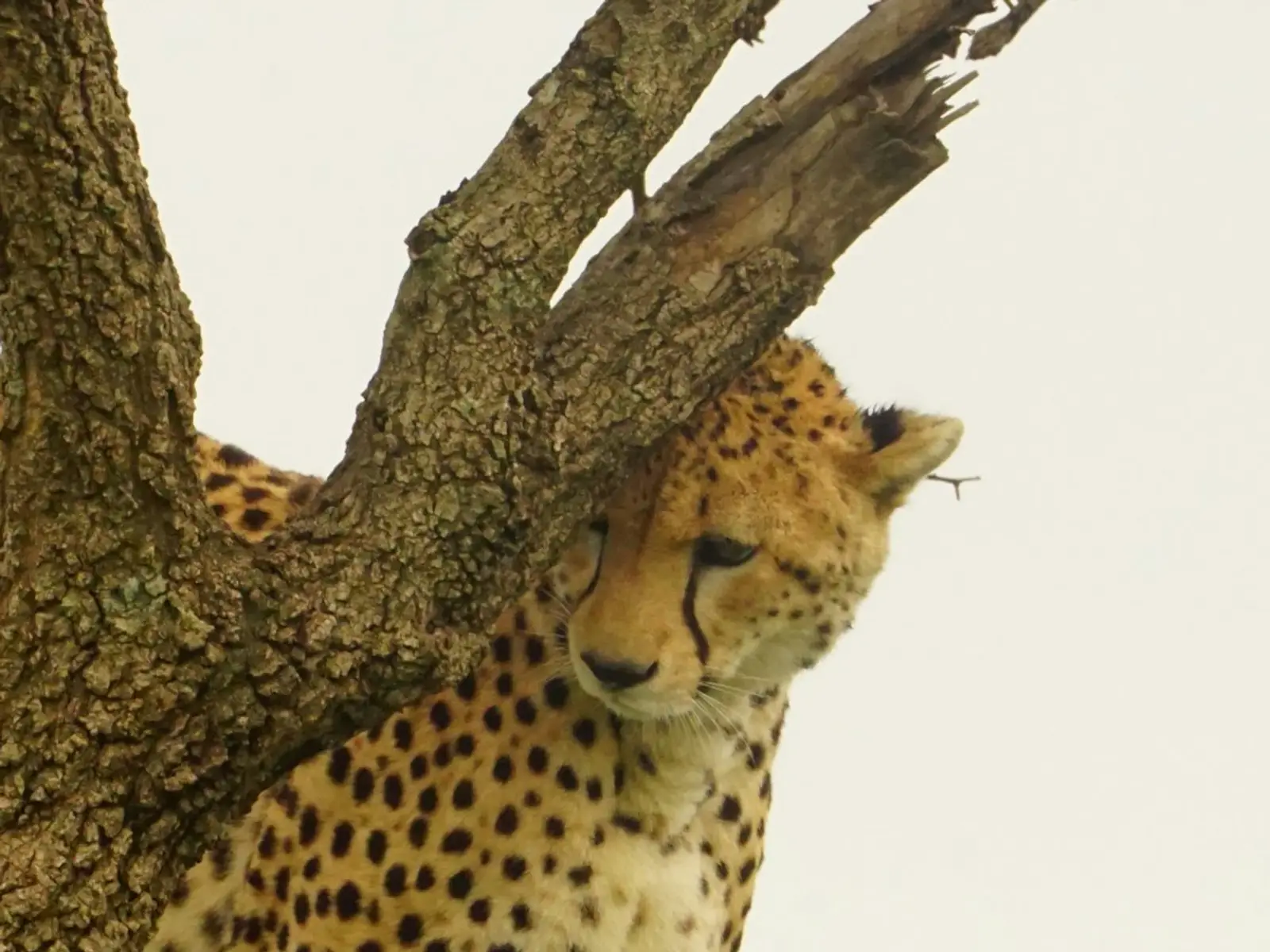
Cheetah
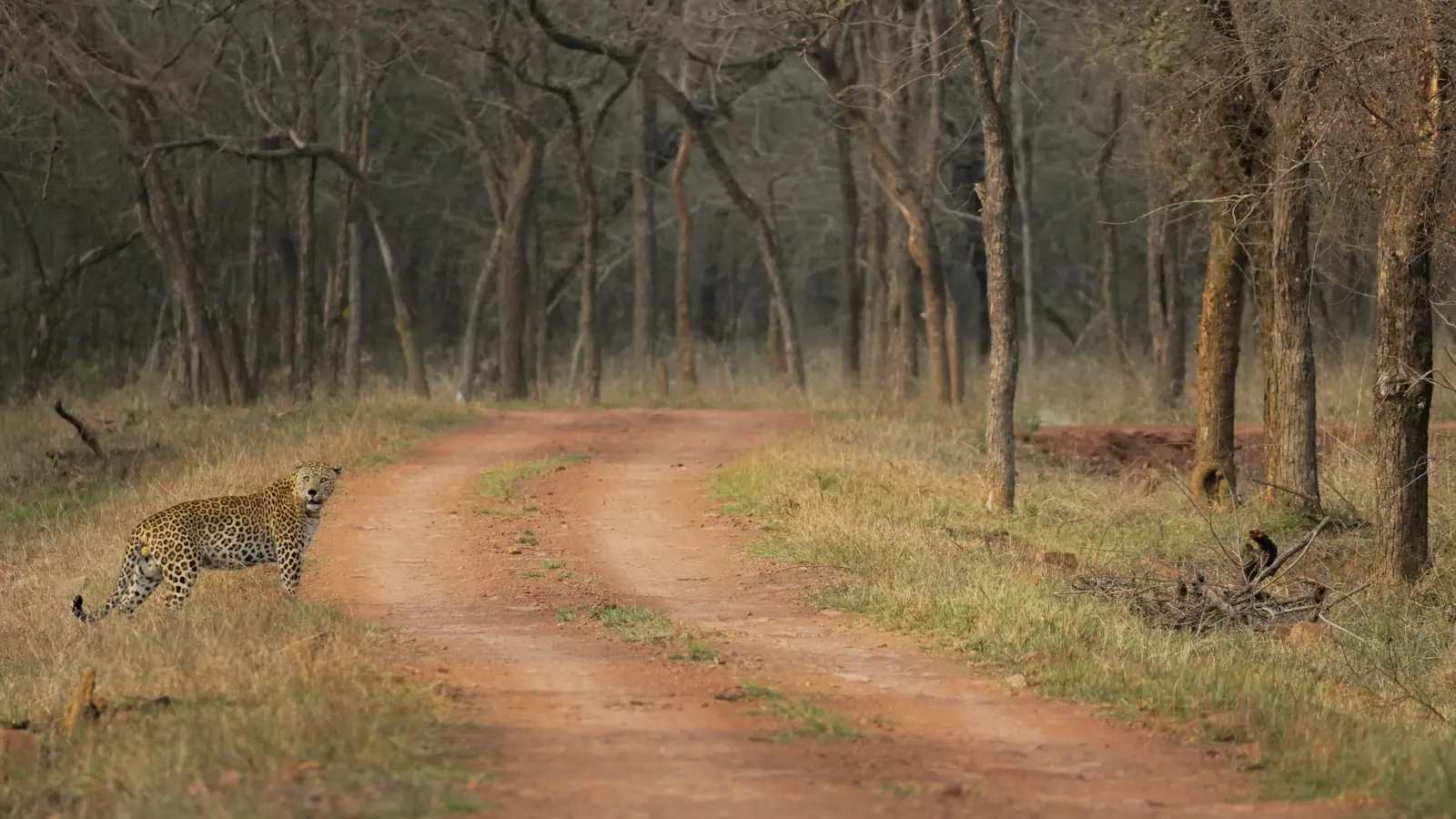
Leopard
Tiger
Sloth Bear
Indian Wolf
Striped Hyena
Caracal
Chital
Sambar
Chinkara
Nilgai
The park also supports a rich birdlife, along with reptiles and many smaller species that are easy to overlook during a safari.
Wildlife sightings are never guaranteed. Kuno is a wild landscape, and the animals decide where they are going to be.
Project Cheetah
Kuno is the primary site for Project Cheetah, India's programme to reintroduce the cheetah after its extinction from the country.
The first eight Namibian cheetahs arrived in September 2022, followed by cheetahs from South Africa in 2023 and another group from Botswana in 2026.
The project is much bigger than simply releasing cheetahs into a national park.
It involves habitat management, prey availability, monitoring, veterinary support, scientific research, community participation and long-term landscape planning.
Kuno is therefore not just a place where you can see a cheetah.
It is a place where you can see an important conservation story unfolding in real time.
When to Visit Kuno
October to February
Cooler temperatures make this one of the most comfortable periods for safari. The landscape is also relatively pleasant for longer drives.
March to April
Temperatures start rising and wildlife activity around water can become more interesting. The forest also begins to take on a more dry-season character.
May to mid-June
Hotter conditions, but potentially rewarding for wildlife enthusiasts who are comfortable with the heat.
Monsoon
Kuno's safari operations follow seasonal forest department rules, and visitors should always check the current opening and closure dates before planning a trip.
Getting to Kuno National Park
Kuno is located in northern Madhya Pradesh and is best approached by road from the surrounding cities and transport hubs.
By Air
By Train
By Road
Road travel is the most practical way to reach the different safari areas once you are in the region.
Sesaipura — The Main Visitor Base
Sesaipura is the main base for visitors coming to Kuno.
The area is located on the main road between Sheopur and Shivpuri, and several of the main accommodation options are situated around here.
It is also the most convenient base for visitors planning their first Kuno safari.
Distance from Sesaipura
The three gates are therefore very different in terms of accessibility and should not be treated as interchangeable.
For a first-time visitor or a short weekend trip, staying around Sesaipura and taking safaris from Tiktoli Gate is generally the simplest way to experience Kuno.
The Three Safari Gates
Kuno currently has three main safari entry points, each offering a different experience.
Tiktoli Gate
The main and most accessible visitor gateway to Kuno. Tiktoli combines open areas, forest, hills, meadows, waterbodies and riverine habitat. It also has the greatest concentration of visitor facilities and accommodation nearby.
Best for: First-time visitors, weekend trips, general wildlife safaris and visitors looking for a well-connected Kuno experience.
Explore Tiktoli GateAhera Gate
Ahera provides access to a more open side of Kuno and is approached from the Pohri side. The landscape has more open grassland and scrub, with good opportunities for both cheetah and leopard sightings. It is much farther from Sesaipura than Tiktoli, so accommodation and transport planning becomes more important.
Best for: Repeat visitors, wildlife enthusiasts and visitors specifically looking to explore a different side of Kuno.
Explore Ahera GatePeepalbawdi Gate
Peepalbawdi is the most remote and least developed of the three visitor access points. The landscape is particularly open and scrubby, making it an interesting area from a cheetah-habitat perspective. However, access and visitor infrastructure are limited, and it is not the easiest option for a normal weekend safari.
Best for: Experienced wildlife travelers and special-interest exploration.
Explore Peepalbawdi GateWhat Can You See in Kuno?
Kuno's wildlife story is not limited to cheetahs.
Big Carnivores
Cheetah
The face of Project Cheetah — Kuno is the primary landscape where the reintroduction is unfolding.
Read moreWhat Makes a Kuno Safari Different?
Kuno is still developing as a wildlife destination.
You will not find the same level of tourism infrastructure that exists around India's most established tiger reserves.
That is part of what makes the experience special.
There are fewer visitors, large open landscapes and a conservation story that is still unfolding.
You need to be prepared for long drives, changing conditions and the possibility that the animal you came looking for may not appear.
But when a cheetah suddenly appears in an open Kuno meadow, or a leopard crosses the track, the experience feels completely different.
Planning Your Kuno Visit
A good Kuno trip is about more than booking a safari.
You need to think about:
Which gate should you visit?
Where should you stay?
How many safaris should you do?
Which route should you take to Kuno?
Which season is right for you?
Do you want a cheetah-focused trip or a broader wildlife experience?
Because the three gates are spread across a large landscape, choosing the right base and planning your transport can make a significant difference.
Flying Cat Safari helps travelers plan the practical side of the trip while keeping the focus on the wildlife experience.
Explore Kuno
Project Cheetah
Understand the history, cheetahs, releases and conservation work.
Explore
Wildlife of Kuno
Explore the predators, herbivores, birds and other species found here.
Explore
Safari Zones
Compare Tiktoli, Ahera and Peepalbawdi.
Explore
Tiktoli Gate
Detailed guide to Kuno's main visitor gateway.
Explore
Ahera Gate
Explore the open grasslands and Pohri-side landscape.
Explore
Peepalbawdi Gate
A guide to Kuno's remote and less-developed safari side.
Explore
Plan Your Kuno Safari
Safari booking, accommodation, transport and trip planning.
Explore
Come and See Kuno for Yourself
Kuno is changing quickly.
The cheetahs are establishing themselves. Other wildlife continues to move across the landscape. And the tourism infrastructure is growing along with the conservation programme.
The best way to understand Kuno is to experience the landscape for yourself.
Frequently Asked Questions

Your guide to Kuno National Park, cheetahs, wildlife and safari experiences.
Copyright © Flying Cat Safari 2026 | Powered by Kuno Cheetah Jungle Safari