Kuno National Park · Palpur, Madhya Pradesh
Birds of Kuno
Kuno is known for its cheetahs, but its dry deciduous forest, grassland, scrub, river and seasonal pools also hold a remarkable range of birds. This checklist covers every species birders have recorded in the park on eBird, with when each one is around and how likely you are to see it.
199
species recorded
153
present year-round
46
seasonal visitors
6
threatened species
Year-round
Winter visitor
Summer visitor
Passage
Each dot is one of the 199 species. Brighter dots are easier to see; ringed dots are endangered or critically endangered.
Why Kuno is good for birding
Seven habitats in one safari
Different habitats attract different birds. A drive through open grassland can produce a very different list from a drive through dense woodland or along the Kuno River. That variety is why birdwatching fits so easily into a Kuno wildlife safari.
Dry deciduous forest
Open woodland
Grassland
Scrub
Riverine vegetation
Seasonal water bodies
Farmland and village edges around the park
Birds of Palpur and Kuno
Five kinds of birds to look for
We have grouped the checklist by where and how you will find each bird, so you can spend your safari on what interests you most. The names listed are the ones you are most likely to see.
Raptors
16species
Eagles, vultures, kites, hawks and kestrels. Kuno is one of the few places in India where four vulture species can still be seen.
- Shikra
- Indian Vulture
- Black-winged Kite
- Egyptian Vulture
Owls & night birds
8species
Owls, owlets and nightjars. Listen at dusk and dawn near the forest edge and rocky outcrops.
- Spotted Owlet
- Savanna Nightjar
- Indian Scops-Owl
- Jungle Nightjar
Forest birds
60species
Woodpeckers, barbets, parakeets, drongos, treepies, flycatchers and orioles of the dry deciduous woodland.
- Indian Golden Oriole
- Black Drongo
- Jungle Babbler
- Rufous Treepie
Grassland & open country
66species
Larks, pipits, shrikes, francolins, sandgrouse, coursers, chats and munias of the open grassland and scrub.
- Indian Peafowl
- Grey Francolin
- Indian Robin
- Asian Green Bee-eater
Waterbirds
49species
Herons, egrets, storks, cormorants, kingfishers, ducks and waders along the Kuno River and seasonal pools.
- Red-wattled Lapwing
- Pied Kingfisher
- River Lapwing
- Indian Pond-Heron
Resident and migratory birds
Which birds stay, and which only visit
Every bird in the checklist is marked with its seasonal status, so you know whether it can turn up on any visit or only at certain times of year.
153
Resident birds
Found in the Kuno landscape all year, though how many there are and how easy they are to see changes with the season.
e.g. Indian Peafowl, Black Drongo, Grey Francolin
39
Winter visitors
Here mainly from October to March, arriving from Central Asia, the Himalaya and Siberia. Winter birding adds species you will not see at other times.
e.g. Siberian Stonechat, Common Sandpiper, White Wagtail
6
Summer visitors
Arrive in the hotter months and the monsoon to breed, and are easiest to find from April to September.
e.g. Indian Golden Oriole, Indian Pitta, Indian Paradise-Flycatcher
1
Passage migrants
Pass through briefly on migration between their breeding and wintering grounds.
e.g. Common Cuckoo
Birding seasons in Kuno
When is the best time for birdwatching?
No single month is best for every bird. Each season brings different birds and different conditions.
Jan
Feb
Mar
Apr
May
Jun
Jul
Aug
Sep
Oct
Nov
Dec
Safaris
Residents (153)
Winter visitors (39)
Summer visitors (6)
October – November
Post-monsoon
The park reopens for the main tourism season. Vegetation is still fresh and the first winter visitors are arriving.
Best for birders
December – February
Winter
Cool mornings, and all the winter visitors are here: wagtails, warblers, sandpipers, Black Stork, Eurasian Griffon and more. This is the period we recommend if birding is your main interest.
March – May
Summer
As it gets hotter, water decides where birds gather. Early-morning safaris are the most productive. Indian Golden Oriole and Paradise-Flycatcher arrive.
June
Pre-monsoon
The landscape turns towards the monsoon. Indian Pitta and Pied Cuckoo arrive, and many birds start breeding.
Monsoon
Park closed
Safaris stop during the Forest Department's seasonal closure. The forest is at its most alive, but tourist access is not available.
Search the checklist
Find a bird
Search by name, or filter by group, season and how likely you are to see it. Each bird's month bar shows when it has been recorded; darker means it was reported more often.
Showing 199 of 199 species
Ducks · 3
Ruddy Shelduck
Occasional
Lesser Whistling-Duck
Occasional
Northern Pintail
Occasional
Peafowl, Francolins & Quails · 7
Indian Peafowl
Very likely
Grey Francolin
Very likely
Jungle Bush-Quail
Likely
Painted Francolin
Possible
Painted Spurfowl
Possible
Rain Quail
Occasional
Barred Buttonquail
Occasional
Pigeons & Doves · 7
Spotted Dove
Very likely
Laughing Dove
also Little Brown Dove
Likely
Eurasian Collared-Dove
Likely
Yellow-footed Green-Pigeon
Likely
Rock Pigeon
also Blue Rock Pigeon
Likely
Red Collared-Dove
also Red Turtle-Dove
Possible
Oriental Turtle-Dove
Occasional
Sandgrouse · 2
Painted Sandgrouse
Possible
Chestnut-bellied Sandgrouse
Occasional
Cuckoos & Coucals · 8
Greater Coucal
Likely
Pied Cuckoo
also Jacobin Cuckoo
Likely
Indian Cuckoo
Likely
Common Hawk-Cuckoo
Likely
Asian Koel
Likely
Common Cuckoo
Possible
Sirkeer Malkoha
Occasional
Grey-bellied Cuckoo
Rare
Nightjars & Swifts · 5
Savanna Nightjar
Possible
Jungle Nightjar
also Indian Jungle Nightjar
Possible
Little Swift
also Indian House Swift
Occasional
Crested Treeswift
Occasional
Indian Nightjar
Rare
Rails, Crakes & Coots · 4
White-breasted Waterhen
Possible
Eurasian Moorhen
Possible
Eurasian Coot
Rare
Brown Crake
Rare
Waders & Shorebirds · 16
Red-wattled Lapwing
Very likely
River Lapwing
Likely
Common Sandpiper
Likely
Green Sandpiper
Possible
Little Ringed Plover
Possible
Black-winged Stilt
Possible
Great Thick-knee
also Great Stone-curlew
Occasional
Indian Thick-knee
also Indian Stone-curlew
Occasional
Yellow-wattled Lapwing
Occasional
Spotted Redshank
Occasional
Common Snipe
Occasional
Wood Sandpiper
Occasional
Common Redshank
Occasional
Common Greenshank
Occasional
Indian Courser
Rare
Pheasant-tailed Jacana
Rare
Terns & Grebes · 2
River Tern
Possible
Little Grebe
Rare
Storks · 4
Asian Woolly-necked Stork
Possible
Black Stork
Possible
Asian Openbill
Occasional
Painted Stork
Occasional
Cormorants & Darter · 4
Little Cormorant
Possible
Indian Cormorant
also Indian Shag
Possible
Great Cormorant
Occasional
Oriental Darter
Rare
Herons, Egrets & Ibises · 12
Indian Pond-Heron
Likely
Little Egret
Possible
Eastern Cattle-Egret
Possible
Striated Heron
also Little Heron
Possible
Great Egret
Occasional
Grey Heron
Occasional
Red-naped Ibis
also Indian Black Ibis
Occasional
Black-crowned Night Heron
Occasional
Purple Heron
Occasional
Glossy Ibis
Rare
Black-headed Ibis
Rare
Intermediate Egret
also Medium Egret
Rare
Eagles, Hawks & Kites · 11
Shikra
Possible
Black-winged Kite
also Black-shouldered Kite
Possible
Oriental Honey-buzzard
also Crested Honey Buzzard
Possible
Bonelli's Eagle
Possible
Crested Serpent-Eagle
Possible
White-eyed Buzzard
Occasional
Short-toed Snake-Eagle
Occasional
Black Kite
Occasional
Osprey
Occasional
Changeable Hawk-Eagle
Rare
Common Kestrel
also Eurasian Kestrel
Rare
Vultures · 5
Indian Vulture
also Indian Long-billed Vulture
Possible
Egyptian Vulture
Possible
White-rumped Vulture
Possible
Red-headed Vulture
Possible
Eurasian Griffon
Rare
Owls · 4
Spotted Owlet
Possible
Indian Scops-Owl
also Collared Scops-Owl
Possible
Brown Fish-Owl
Occasional
Jungle Owlet
Rare
Hoopoe & Hornbill · 2
Common Hoopoe
Possible
Indian Grey Hornbill
Occasional
Kingfishers, Bee-eaters & Roller · 7
White-throated Kingfisher
Very likely
Asian Green Bee-eater
Very likely
Pied Kingfisher
Likely
Indian Roller
Likely
Blue-tailed Bee-eater
Likely
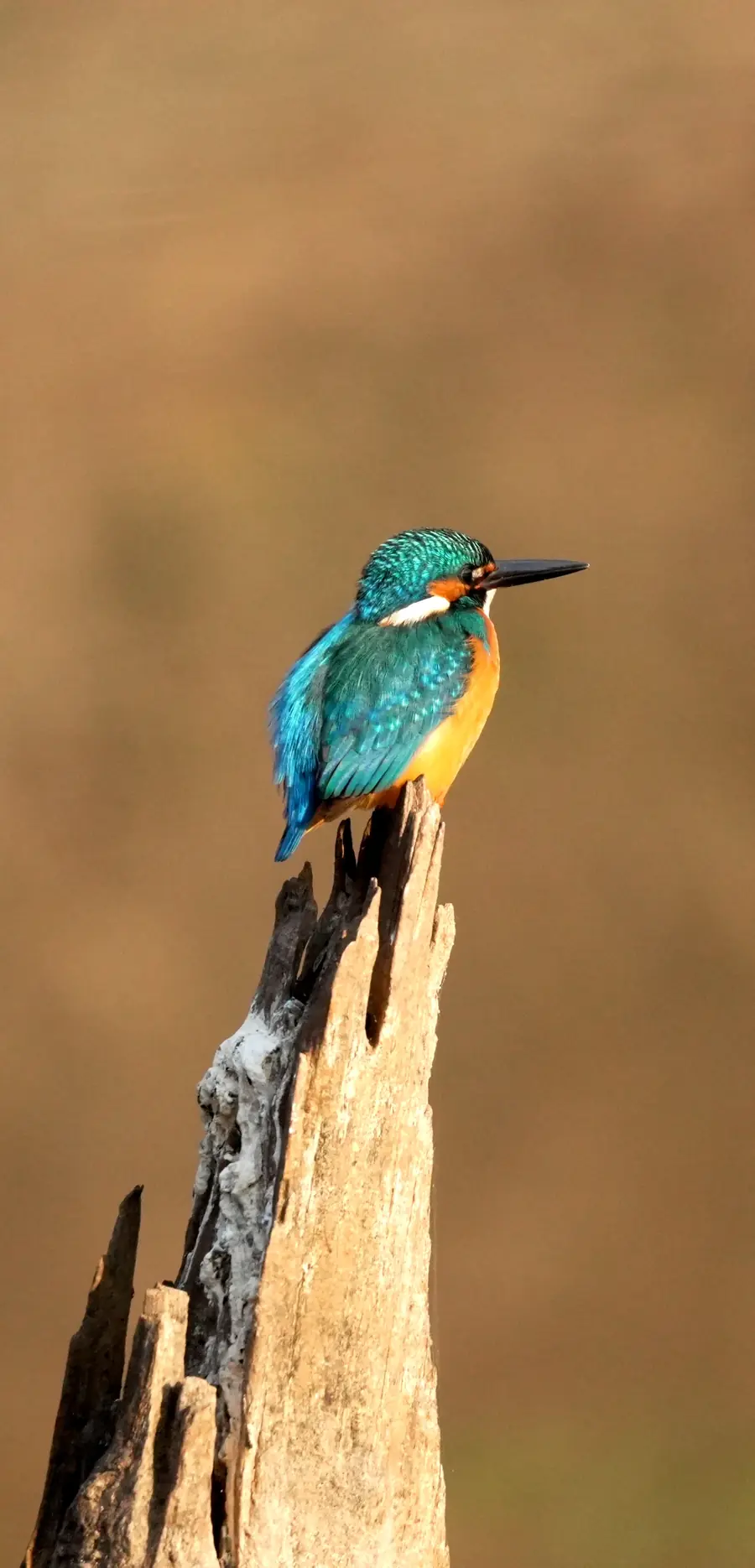
Common Kingfisher
also Small Blue Kingfisher
Likely
Stork-billed Kingfisher
Possible
Barbets & Woodpeckers · 7
Black-rumped Flameback
also Lesser Goldenbacked Woodpecker
Likely
Coppersmith Barbet
Possible
Eurasian Wryneck
Occasional
Yellow-crowned Woodpecker
Occasional
White-naped Woodpecker
Occasional
Brown-headed Barbet
Rare
Brown-capped Pygmy Woodpecker
Rare
Parakeets · 3
Rose-ringed Parakeet
Very likely
Plum-headed Parakeet
Likely
Alexandrine Parakeet
Possible
Pitta, Orioles, Minivets & allies · 10
Indian Golden Oriole
Very likely
Indian Pitta
Very likely
Small Minivet
Possible
Common Iora
Possible
Common Woodshrike
Possible
White-bellied Minivet
Possible
Black-headed Cuckooshrike
Occasional
Indian Cuckooshrike
Occasional
Ashy Woodswallow
Occasional
Black-hooded Oriole
Rare
Drongos, Fantail & Paradise-Flycatcher · 4
Black Drongo
Very likely
White-browed Fantail
Likely
Indian Paradise-Flycatcher
Likely
White-bellied Drongo
Possible
Shrikes · 4
Long-tailed Shrike
Likely
Bay-backed Shrike
Likely
Brown Shrike
Occasional
Great Grey Shrike
Rare
Crows, Treepie & Tit · 4
Rufous Treepie
Very likely
House Crow
Likely
Large-billed Crow
Likely
Cinereous Tit
also Asian Tit
Possible
Larks · 5
Ashy-crowned Sparrow-Lark
also Ashy-crowned Finch-Lark
Possible
Rufous-tailed Lark
Occasional
Indian Bushlark
also Red-winged Bushlark
Occasional
Oriental Skylark
Rare
Crested Lark
Rare
Prinias & Warblers · 13
Common Tailorbird
Likely
Ashy Prinia
Likely
Plain Prinia
Possible
Grey-breasted Prinia
Possible
Jungle Prinia
Possible
Zitting Cisticola
Possible
Booted Warbler
Occasional
Sykes's Warbler
Occasional
Hume's Warbler
Occasional
Sulphur-bellied Warbler
Occasional
Common Chiffchaff
Occasional
Lesser Whitethroat
Occasional
Bristled Grassbird
Rare
Swallows & Martins · 5
Wire-tailed Swallow
Possible
Eastern Red-rumped Swallow
Possible
Streak-throated Swallow
Occasional
Dusky Crag-Martin
Rare
Barn Swallow
Rare
Bulbuls, Babblers & White-eye · 7
Jungle Babbler
Very likely
Red-vented Bulbul
Very likely
Large Grey Babbler
Possible
Common Babbler
Possible
Yellow-eyed Babbler
Occasional
Indian White-eye
also Oriental White-eye
Occasional
Tawny-bellied Babbler
Rare
Starlings & Mynas · 6
Common Myna
Likely
Brahminy Starling
Likely
Indian Pied Starling
also Pied Myna
Possible
Bank Myna
Occasional
Chestnut-tailed Starling
Rare
Rosy Starling
Rare
Robins, Chats & Flycatchers · 11
Indian Robin
Very likely
Oriental Magpie-Robin
Likely
Siberian Stonechat
also Common Stonechat
Likely
Black Redstart
Possible
Brown Rock Chat
Possible
Pied Bushchat
Possible
Tickell's Blue Flycatcher
Occasional
Red-breasted Flycatcher
Occasional
Blue Rock-Thrush
Occasional
Desert Wheatear
Rare
Ultramarine Flycatcher
Rare
Sunbird, Sparrows, Weaver & Munias · 7
Yellow-throated Sparrow
also Chestnut-shouldered Petronia
Likely
Purple Sunbird
Likely
House Sparrow
Likely
Indian Silverbill
also White-throated Munia
Possible
Baya Weaver
Possible
Scaly-breasted Munia
also Spotted Munia
Possible
Red Avadavat
Occasional
Wagtails & Pipits · 7
White-browed Wagtail
also Large Pied Wagtail
Possible
White Wagtail
Possible
Grey Wagtail
Possible
Western Yellow Wagtail
Occasional
Paddyfield Pipit
Occasional
Tawny Pipit
Occasional
Citrine Wagtail
Rare
Buntings · 3
Crested Bunting
Possible
Black-headed Bunting
Occasional
Red-headed Bunting
Occasional
Birding with a Kuno safari
How to make the most of your safari
If birds are one of your main interests, tell us before your safari. A drive planned for a birder is paced differently from one focused on large mammals.
Binoculars are strongly recommended, and for photographers a telephoto lens makes a big difference. Above all, birds and wildlife should be watched without disturbance.
A birding safari spends more time
Listening for calls
Scanning trees
Checking grasslands
Watching water bodies
Identifying raptors
Looking for movement in vegetation
Watching behaviour
More than a cheetah destination
One safari, a whole ecosystem
The return of the cheetah put Kuno on the world's wildlife map, but the park's story is much bigger. A single safari can introduce you to:
Cheetahs
Leopards
Wolves
Hyenas
Caracals
Deer
Antelopes
Raptors
Owls
Forest birds
Grassland birds
Waterbirds
Plan a Kuno birding safari
Tell us which birds you hope to see and when you are coming. We will plan the drive around them.
Data and sources
A living checklist
This checklist combines every eBird record from two birding hotspots inside Kuno National Park. The chance of seeing a bird is the share of checklists that reported it during the months it is normally present. Seasonal status and conservation category (IUCN Red List) come from established knowledge of birds in central India.
Most records come from the tourist season, and very few from July to October, when the park is closed. Monsoon birds are probably under-recorded. New observations will add species, and name changes can alter how birds are listed.
Location
Kuno National Park (Palpur), Madhya Pradesh
Source
eBird, 2 hotspots, 88 checklists
Records to
January 2026
Last reviewed
September 2026

Your guide to Kuno National Park, cheetahs, wildlife and safari experiences.
Copyright © Flying Cat Safari 2026 | Powered by Kuno Cheetah Jungle Safari